Source Car Battery Level Display for EVs, Cars, and Trucks
Source the car battery level display for 30 available products. Compare digital indicators, battery testers, and capacity monitors for electric vehicles, automotive diagnostics, and industrial applications to find suitable supply options; compare the available evidence and request quotations based on your requirements.
Key considerations
Products List

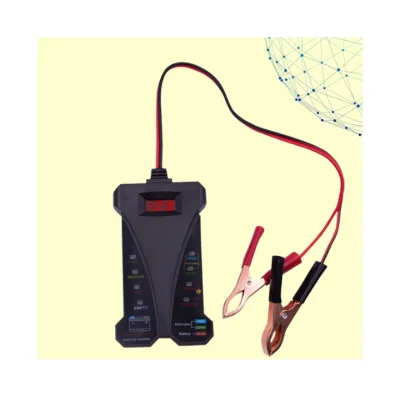


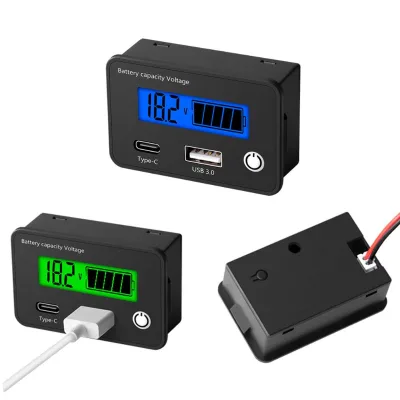


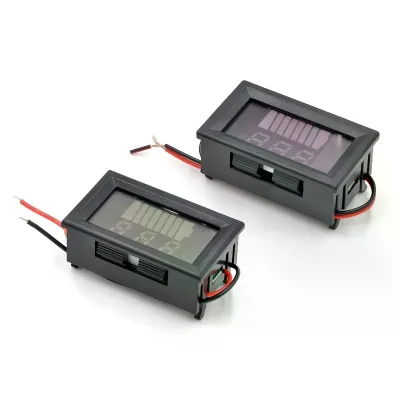


Comprehensive Sourcing Guide
Car Battery Level Display Sourcing Guide
Sourcing accurate battery level indicators requires distinguishing between simple analog gauges and sophisticated digital monitoring systems. Buyers must first define whether the application demands a basic voltage-based display for standard lead-acid batteries or a high-precision digital solution for complex lithium-ion packs. The market offers a wide spectrum of devices, ranging from single-unit indicators to integrated systems with communication interfaces. Understanding this distinction is critical for aligning procurement with the specific electrical architecture of the target vehicle or equipment.
The procurement landscape includes diverse product types, from dedicated battery testers to integrated charging station displays. Some solutions feature touch screens and mobile app connectivity, while others are simple, non-customized indicators with fixed specifications. Buyers should evaluate the interface requirements, such as LCD color displays versus basic LED readouts, and determine if features like Ethernet or 4G connectivity are necessary for fleet management. This initial scoping prevents over-specification for simple applications or under-specification for data-intensive environments.
Product Scope and Observed Listing Signals
Market listings reveal a significant variance in product complexity and intended use. Some suppliers offer advanced fast EV charging stations with 4.3-inch LCD touch screens and multiple charging modes, including auto-full and fixed power options. These high-end units often support APP payments and credit card transactions, indicating a focus on public or commercial infrastructure. In contrast, other listings describe simple battery capacity indicators with standard 12V specifications and minimal packaging, targeting aftermarket or replacement markets.
The observed product range also includes specialized tools like battery testers with digital displays and specific model numbers such as Dk-950. These items may serve diagnostic purposes rather than continuous monitoring. Buyers should note that some products are labeled as "non-customized" with standard weights and dimensions, while others offer extensive customization options. This disparity suggests that the category encompasses both mass-produced standard components and bespoke industrial solutions, requiring careful filtering based on the specific operational needs of the procurement project.
Technical Specifications to Verify
When evaluating technical suitability, buyers must prioritize the communication interface and power management capabilities. Advanced units may offer Ethernet, 2G, 3G, or 4G connectivity, enabling remote monitoring and data logging. For simpler applications, verify if the display supports direct voltage reading or requires external sensors. The charging mode compatibility is also crucial; ensure the display aligns with the battery’s charging profile, whether it involves fixed amounts, timed charging, or automatic full-charge detection. Mismatches here can lead to inaccurate readings or system incompatibility.
Physical specifications and environmental ratings are equally important for long-term reliability. Check the protection level, such as IP54, to ensure the device can withstand dust and water exposure in harsh operating conditions. Display size, such as a 4.3-inch color screen, affects readability and installation space. Additionally, verify the weight and dimensions to confirm compatibility with the mounting location. For battery-specific indicators, confirm the voltage range, such as 12V, and whether the unit is designed for specific battery chemistries. These details ensure the hardware integrates seamlessly into the existing electrical system.
Compliance and Safety Documentation
Safety certifications are non-negotiable for any electronic component installed in vehicles or charging infrastructure. Buyers must verify that products hold relevant certifications, such as CE or ISO standards, which indicate adherence to international safety and quality benchmarks. For EV charging displays, additional certifications related to electrical safety and electromagnetic compatibility may be required depending on the target market. Ensure that the supplier can provide valid certificates for each batch, as counterfeit or expired documentation poses significant legal and operational risks.
Warranty terms and after-sales support structures are critical components of the compliance framework. A standard warranty period, such as 24 months, provides a baseline for manufacturer accountability. Buyers should clarify what the warranty covers, including parts, labor, and shipping costs for replacements. Additionally, verify the availability of technical documentation, including wiring diagrams, user manuals, and troubleshooting guides. Clear documentation ensures that installation and maintenance can be performed safely and efficiently, reducing downtime and liability for the end-user.
Cost Drivers and Commercial Terms
Pricing in this category is influenced by the complexity of the electronic components and the level of customization required. Advanced units with touch screens, mobile connectivity, and payment integration command higher prices due to their sophisticated software and hardware. Conversely, simple battery indicators with fixed specifications and minimal packaging are more cost-effective. Buyers should request detailed quotes that break down costs for hardware, software licensing, and any custom branding or interface modifications. Understanding these drivers helps in budgeting for both initial procurement and long-term operational expenses.
Commercial terms, including minimum order quantities (MOQ) and delivery times, significantly impact procurement planning. MOQs can range from single units for sampling to hundreds for bulk orders, affecting inventory management strategies. Delivery lead times, often around 30 days for customized items, must be factored into project schedules. Payment methods vary, with some suppliers accepting APP payments, credit cards, or scan code payments, while others may require traditional bank transfers. Clarifying these terms early prevents delays and ensures smooth transaction processing, especially for international shipments involving customs and logistics.
Supplier Qualification and Quality Control
Supplier verification is essential to ensure product reliability and consistency. Buyers should assess the supplier’s manufacturing capabilities, including their production facilities in regions like Qingdao or Guangdong, China. Verify their ability to maintain quality control throughout the production process, from raw material inspection to final packaging. Look for suppliers who offer transparent supply chain information and can provide samples for rigorous testing before committing to large orders. A robust quality control system minimizes the risk of receiving defective or non-compliant products.
Packaging and logistics practices also reflect a supplier’s professionalism and attention to detail. Products should be packed securely, using iron frames, stretch film, and cartons to prevent damage during transit. For sensitive electronic displays, additional protective measures may be necessary. Buyers should inquire about the supplier’s experience with international shipping and their ability to handle customs documentation. A reliable supplier will provide clear tracking information and support throughout the delivery process, ensuring that products arrive in optimal condition and on schedule.
Long-Term Procurement Checks
Sustainability and lifecycle management are increasingly important considerations for electronic components. Buyers should evaluate the supplier’s commitment to environmental standards, including the use of recyclable materials and energy-efficient manufacturing processes. Verify if the products are designed for easy repair or replacement, reducing electronic waste over time. Additionally, consider the availability of firmware updates and software support, which can extend the functional life of digital displays and charging systems. A supplier that prioritizes sustainability aligns with broader corporate social responsibility goals.
Continuous performance monitoring and feedback loops are vital for maintaining procurement quality. Establish metrics for evaluating product performance in real-world conditions, such as accuracy, durability, and user interface responsiveness. Regularly review supplier performance based on delivery times, product quality, and after-sales support. Use this data to refine procurement strategies and negotiate better terms with reliable partners. By maintaining a proactive approach to supplier management, buyers can ensure a steady supply of high-quality battery level displays that meet evolving operational needs.
FAQs
What is the typical lead time for car battery level display orders?
The standard delivery time is 30 days for most orders. This timeline applies to new products with standard customization options. Buyers should confirm specific schedules based on their required quantity and any special packaging needs before finalizing the purchase agreement.
Can I find car battery level display units with ISO certification?
Yes, available products often include ISO and CE certifications. These certifications indicate compliance with international safety and quality standards. Buyers seeking certified units should verify the specific documentation provided by the manufacturer to ensure the product meets their regulatory requirements.
What is the minimum order quantity for car battery level display?
The minimum order quantity ranges from 1 to 500 units depending on the supplier. Single item purchases are possible for some models, while larger orders may require higher volumes. Buyers should check specific supplier terms to determine the exact MOQ for their desired product model.
How is the car battery level display protected during shipping?
Products are typically packed in iron frames, stretch film, and cartons. This packaging ensures protection against physical damage during transit. Some models may use standard carton packing only. Buyers should request detailed packing lists to confirm the specific protection methods used for their order.
Where are car battery level display manufacturers located?
Manufacturers are primarily located in Qingdao and Guangdong, China. These regions host various factories producing battery indicators and related equipment. Buyers can source from these locations to access a wide range of models and specifications while managing logistics effectively.
What customization options are available for car battery level display?
Customization is available for color, design, and standard specifications. Buyers can request specific branding or unique features to match their requirements. The product attributes indicate flexible customization capabilities, allowing for tailored solutions that meet distinct operational needs and aesthetic preferences.
What is the warranty period for car battery level display units?
The warranty period is typically 24 months for eligible products. This coverage protects against manufacturing defects and ensures product reliability. Buyers should review the specific warranty terms provided by the supplier to understand the scope of coverage and any applicable conditions for claims.